Essay for the Coursera MOOC:
The Place of Music in 21st Century Education
‘Modern music of all kinds is inconceivable without the use of electric instruments.‘ ~ John Cage
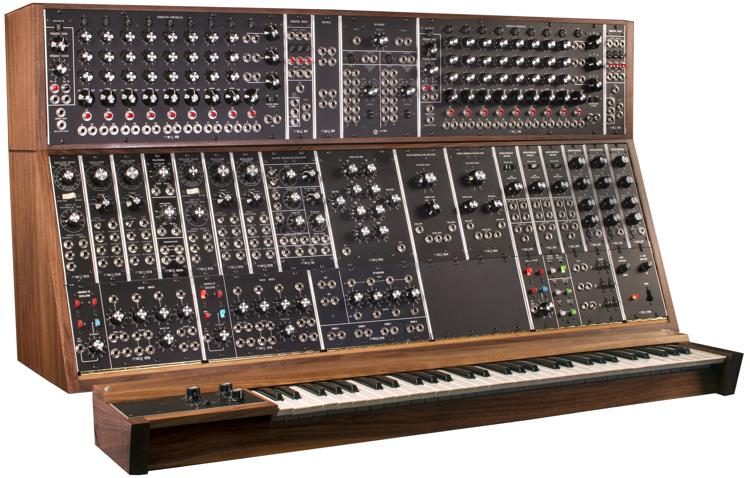
I think that John Cage’s quote was more a descriptive than a predictive one, because the taking over of electric instruments in all kinds of music, including classical music was a full blown phenomenon by 1961. Composers like Karlheinz Stockhausen and Edgar Varèse had extensively experimented with music produced exclusively through electric signals throughout the 1950’s. Stockhausen called it Elektronische Musik. And of course, the sounds of the most admired popular music of the time, Rock & Roll were produced by electric instruments. In 1966, The Beatles started experimenting with the Mellotron, a keyboard instrument which used analogue tape effects recorded for each key. This tape sound effects which were already common in avant-garde classical music by then. In the mid 1960’s, progressive and psychedelic rock bands, such as Emerson Lake and Palmer, Genesis and King Crimson began experimenting the Moog synthesiser, and in 1968 the massively popular album Switched-on Bach was released, which featured the music of the baroque composer Johann Sebastian Bach.
The development of new electric instruments, sounds and styles of music which are entirely dependent on these new sounds has been unstoppable since then. The sounds heard in music are always a reflection of the present time and go hand in hand with the current technologies. All of the everyday noises like car horns, industrial and traffic noises, camera shutters, sounds of construction, the clicking of buttons, the noises of machines are all part of our everyday lives in the XXI Century. So they are naturally incorporated into modern music without sounding alien to our ears. Thus I wholly agree with Cage’s statement, electric instruments accurately represent the music of our times and they are as valid and important as the acoustic ones.
 Diego Galárraga Sugoniaev